
Our Team
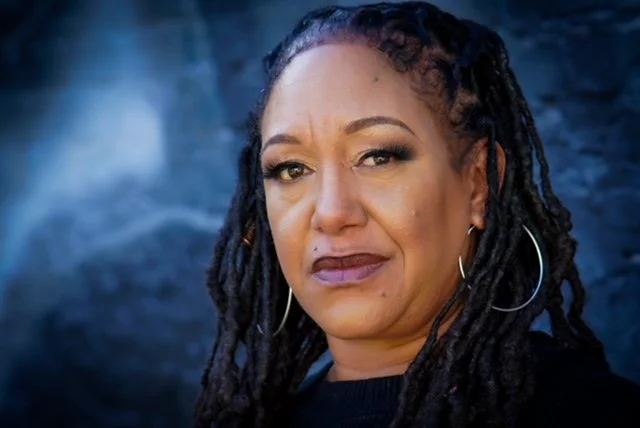
Cat Brooks
Cat Brooks is a theater artist, writer and community organizer. She hosts KPFA’s Law & Disorder and is a resident artist with Tha Lower Bottom Playaz. Her one-woman show ‘Tasha, about the in-custody murder of Natasha McKenna won Best of The SF Fringe (2017). Her film Bottled Spirits about the violence of gentrification has been nominated for/won multiple awards including Best Narrative Short. She’s the co-founder/executive director of the Anti Police-Terror Project and has spent two decades working with impacted communities to radically transform public safety systems in the U.S.
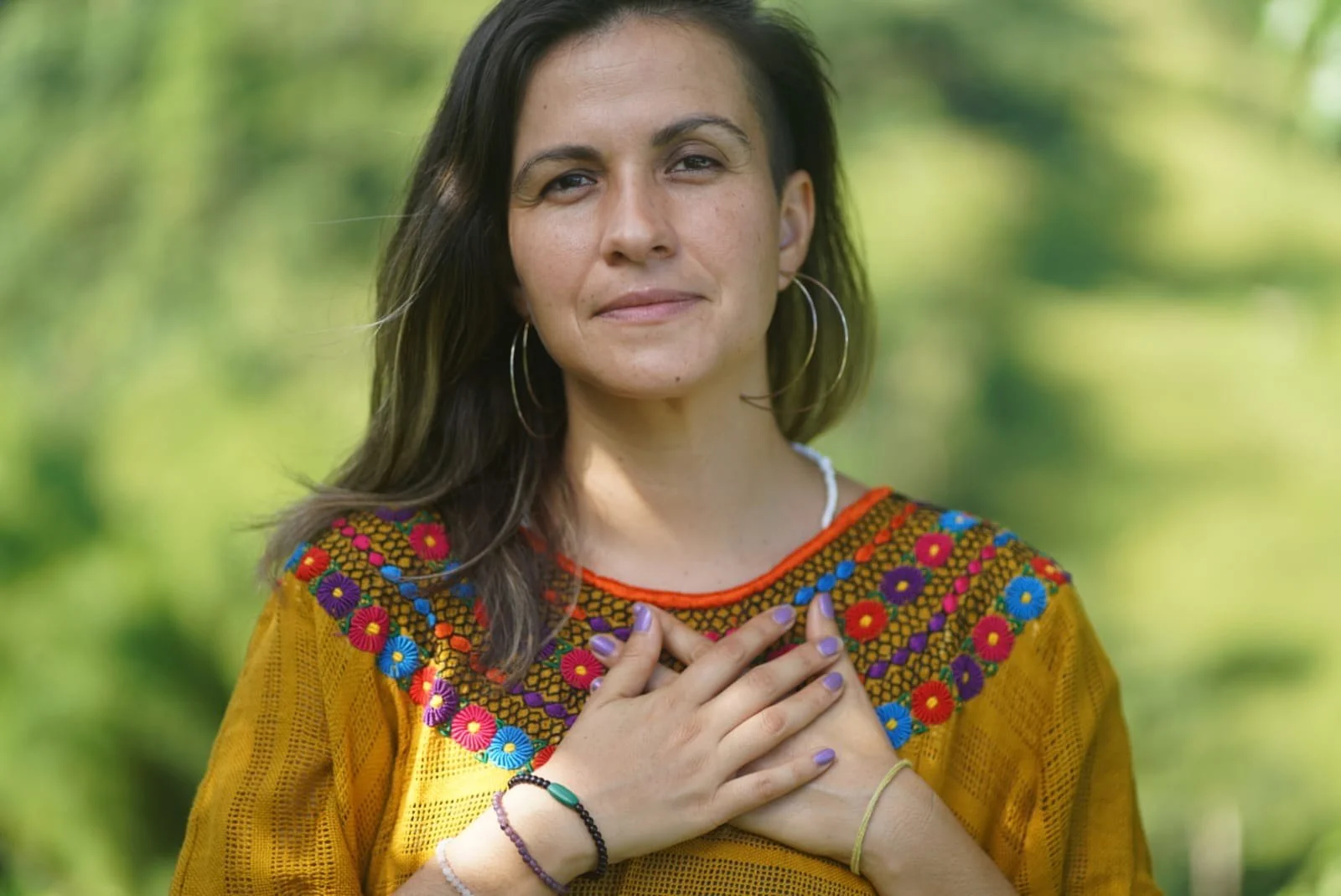
Guadalupe R. Chavez
Guadalupe R. Chavez, also known as Agua Dulce (she/they), MFT, is an abolitionist Healing Justice practitioner, parent, flower alchemist, herbal medicine maker, earth worker, and earth-based ceremonialist. Since 2009, she has studied flower and plant-spirit medicine with her teacher, Iya Queen Hollins. Her relationship with land, ceremony, and ancestral and traditional medicines is central to her understanding of Healing Justice as both a political strategy and a way of life.
Guadalupe is a co-founder of the National Institute for Public Safety Alternatives and serves as Deputy Director of the Anti Police-Terror Project. From 2020 to 2025, she served as APTP’s Healing Justice Director, leading the development of its Healing Justice framework and helping build the politicized California Healers Network. In collaboration with Traditional Chinese Medicine practitioners and other traditional healers, she helped develop programs including the People’s Clinic, Healing Portals for families impacted by state violence, and the People’s Educational Tool Library.
For more than two decades, Guadalupe’s movement work has focused on organizing and politicizing healers and integrating healing practice into movements for collective liberation. She is also a co-founder of Somos Espejos, a ceremonial agroecological retreat, education, and training center in Trujillo Alto, Borikén—Puerto Rico.
Guadalupe is most inspired by developing a replicable abolitionist clinic model that brings traditional, ancestral, and sacred medicines into relationship with decolonized approaches to Western medicine in service of communities impacted by state violence.